
Forty-Five Worlds, One Complete Catalogue
Browse the catalogue through its original crafts, journeys and characters, with collections that help you explore actual games.
Start with a recognisable subject
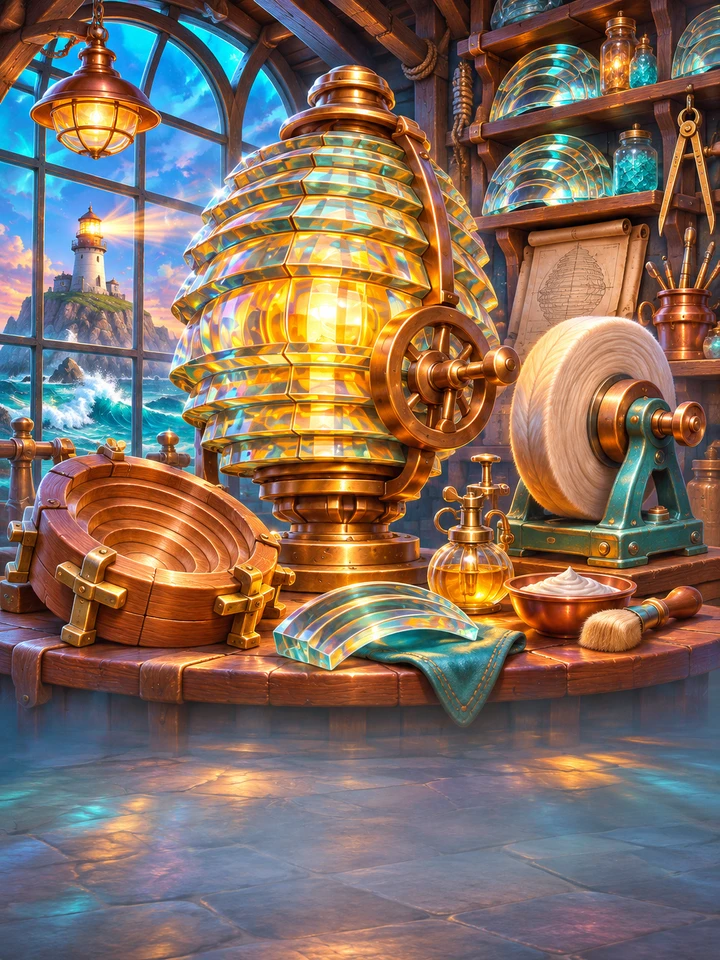
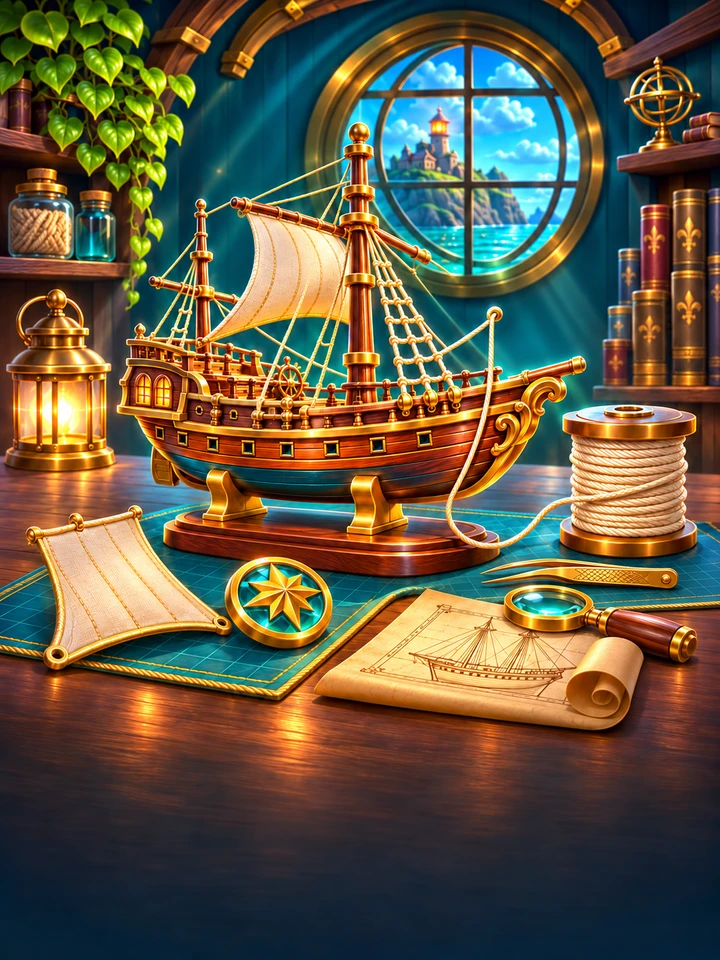
Every game begins with a particular job, craft or place. Raft Rush Rumble follows a keeper steering logs through white water. Fresnel Firelight draws its symbols from lighthouse lenses and the work of a glassmaker. Rigging Revival looks closely at restoring a wooden model ship.
Those subjects give the artwork something concrete to show: tools, materials, gestures and settings. Read the individual game description to meet the character and see why its premium symbols belong together. The themes are a way to choose an atmosphere, rather than a clue to a future result.
Understand the two catalogue formats
Thirty games use the classic five-reel, three-row field with twenty lines. Fifteen use the animated six-reel, four-row ways format, with evolving Wild stages and a complete Hold and Spin cycle. Each game page identifies the format before you enter ordinary play.
The distinction describes how the field and its features work. It does not make one collection a required destination after another. Four games support ordinary guest play, while the remaining games require an eligible account. Preview offers a way to inspect the catalogue without changing your balance or saved progression.
Use collections as browsing routes
Eight collections gather existing worlds by an editorial connection. Waterline Worlds follows waterways; Clockwork in Motion explores small mechanisms; The Sweet Craft Counter gathers culinary colour and banquet sparkle. Other routes focus on workshop materials, natural light, hidden places, scenic journeys and classic craft.
A game can belong in more than one collection when both descriptions fit. That overlap does not create another game, an extra starting allocation or a separate completion reward. Collections are useful shelves in one forty-five-game catalogue, with each entry leading to its own original page.
Look at what the character does
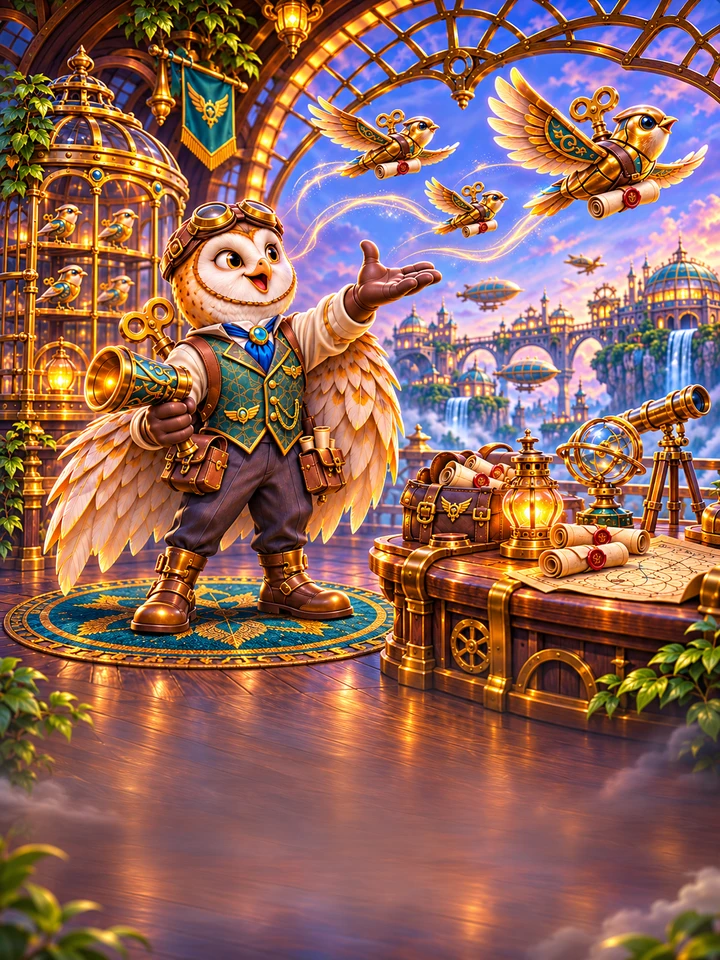
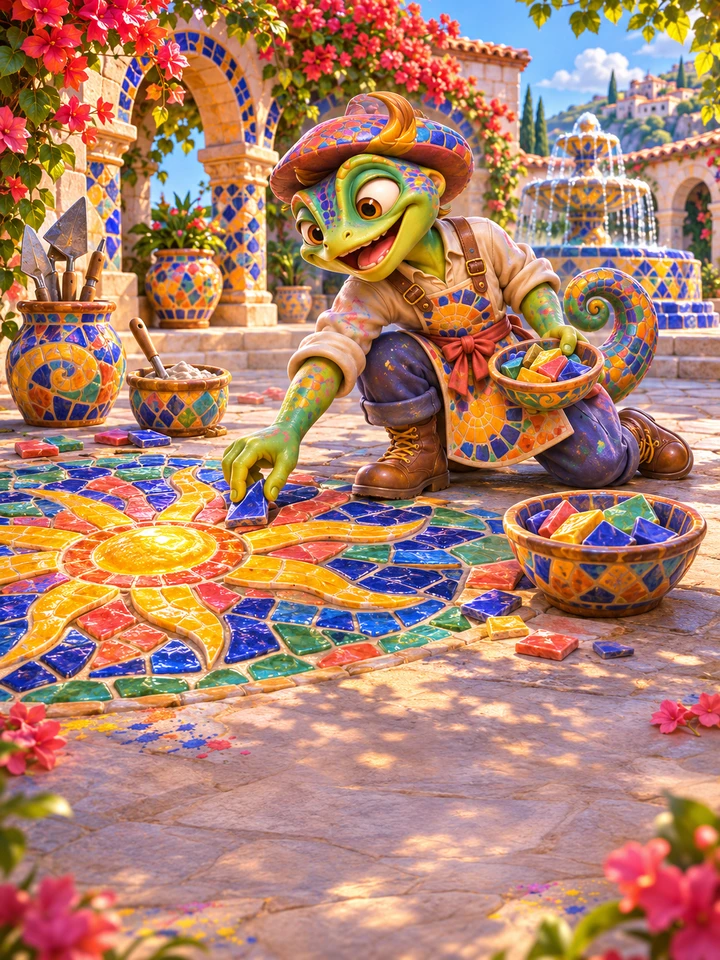
The characters have different roles because their worlds ask for different actions. A messenger-bird trainer handles a tiny mechanical courier; a mosaic artist places glazed pieces; a diver illuminates submerged steps. Their props and poses connect the scene with the symbols on its field.
In animated worlds, the same attention extends to recorded feature transformations. A light can move, a material can spread or a mechanism can carry the Wild across payable frames. These are thematic presentations of defined events, with the actual positions and awards preserved in the round record.
Make a personal route through the worlds
Save favourites for settings you want to revisit, or keep up to four presentations in your Preview playlist. You can also use the guides to understand a format before deciding whether to play. The useful route is the one that matches your interest and available time.
There is no requirement to complete all forty-five games or reach the final Wild stage in every animated world. Play Chips have no monetary or redeemable value. Leave a collection whenever you wish, and return to a saved page later without treating the catalogue as a checklist you must finish.